Lichen, Algae or Moss? Identifying What Is Growing on Your Truro Roof
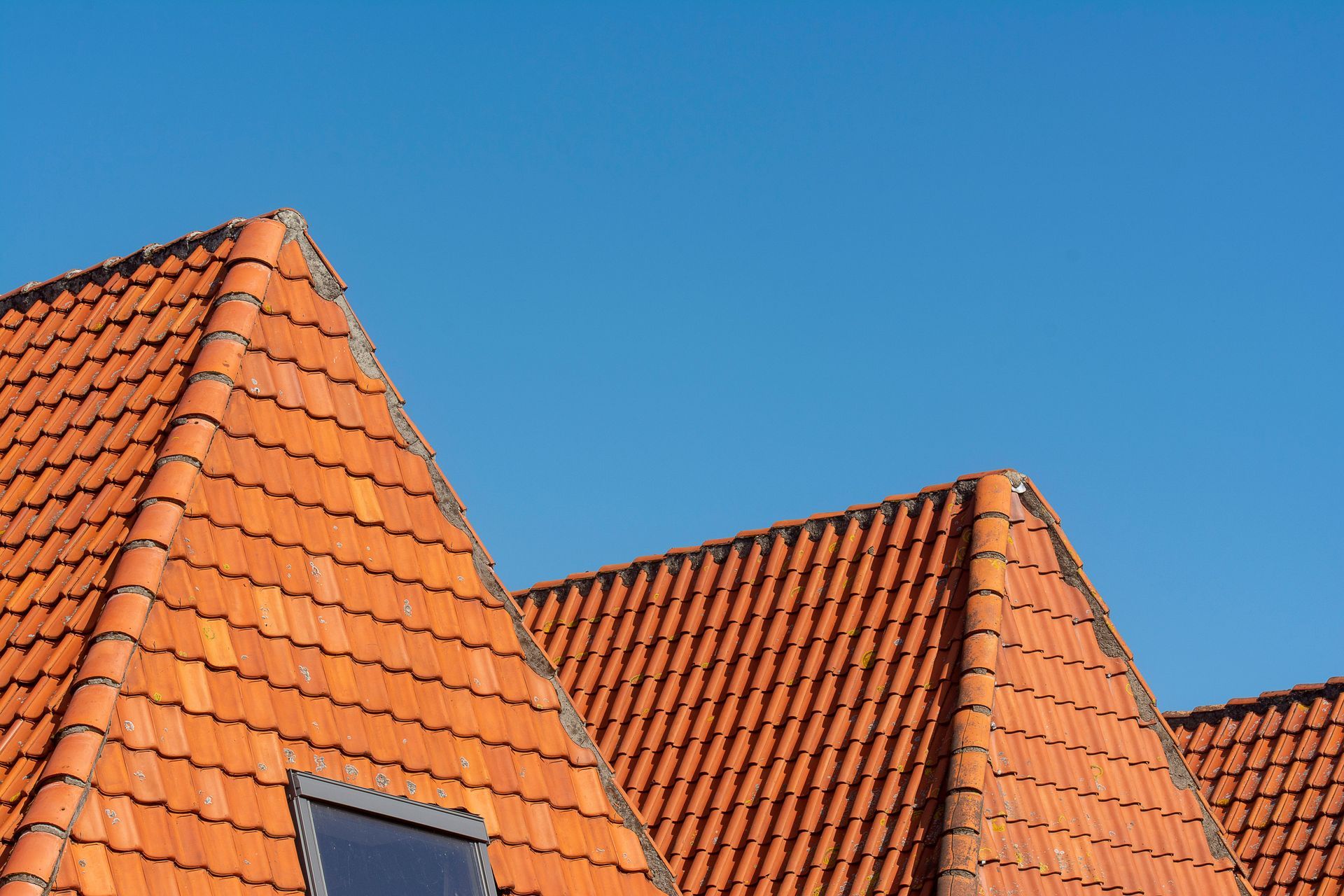
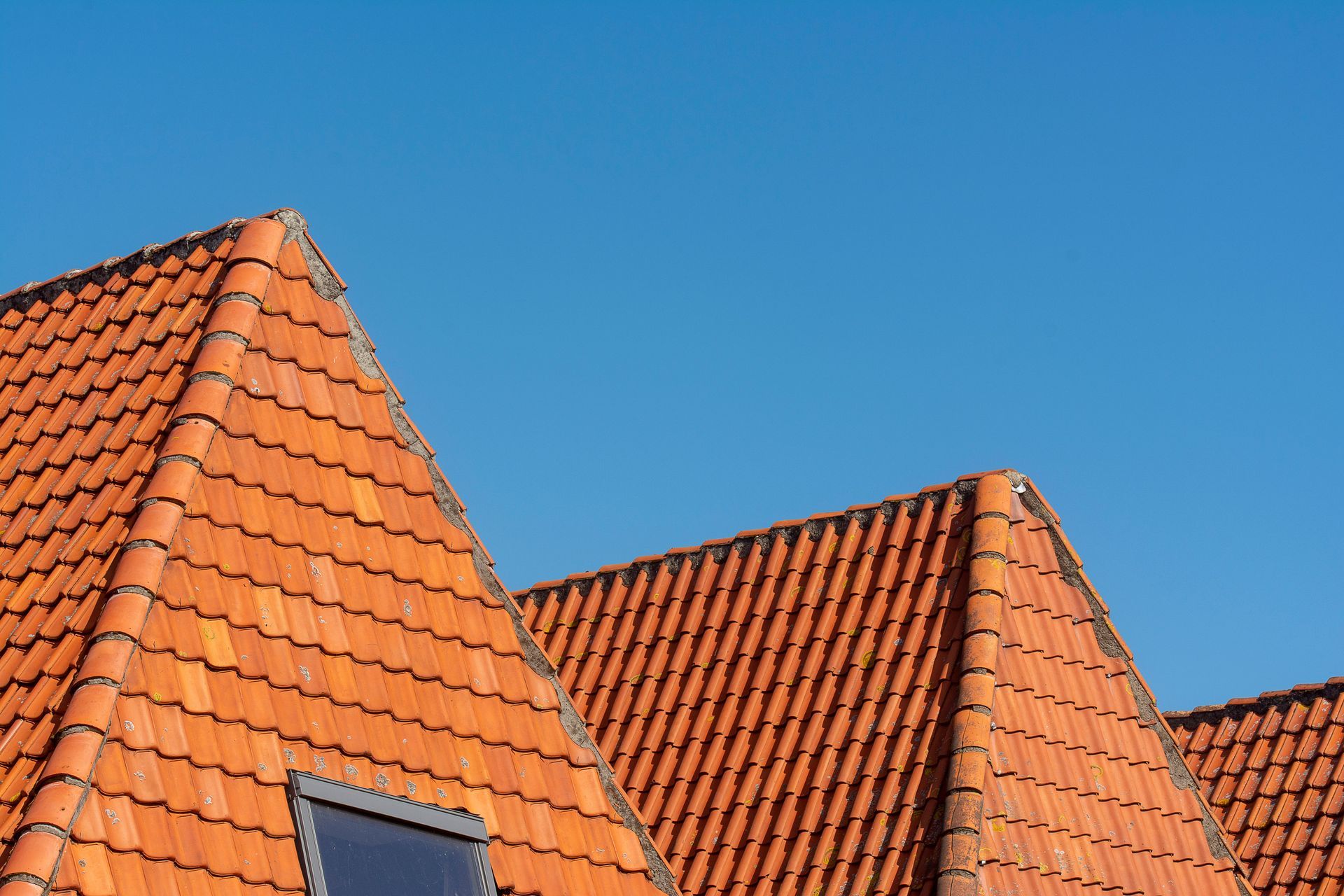
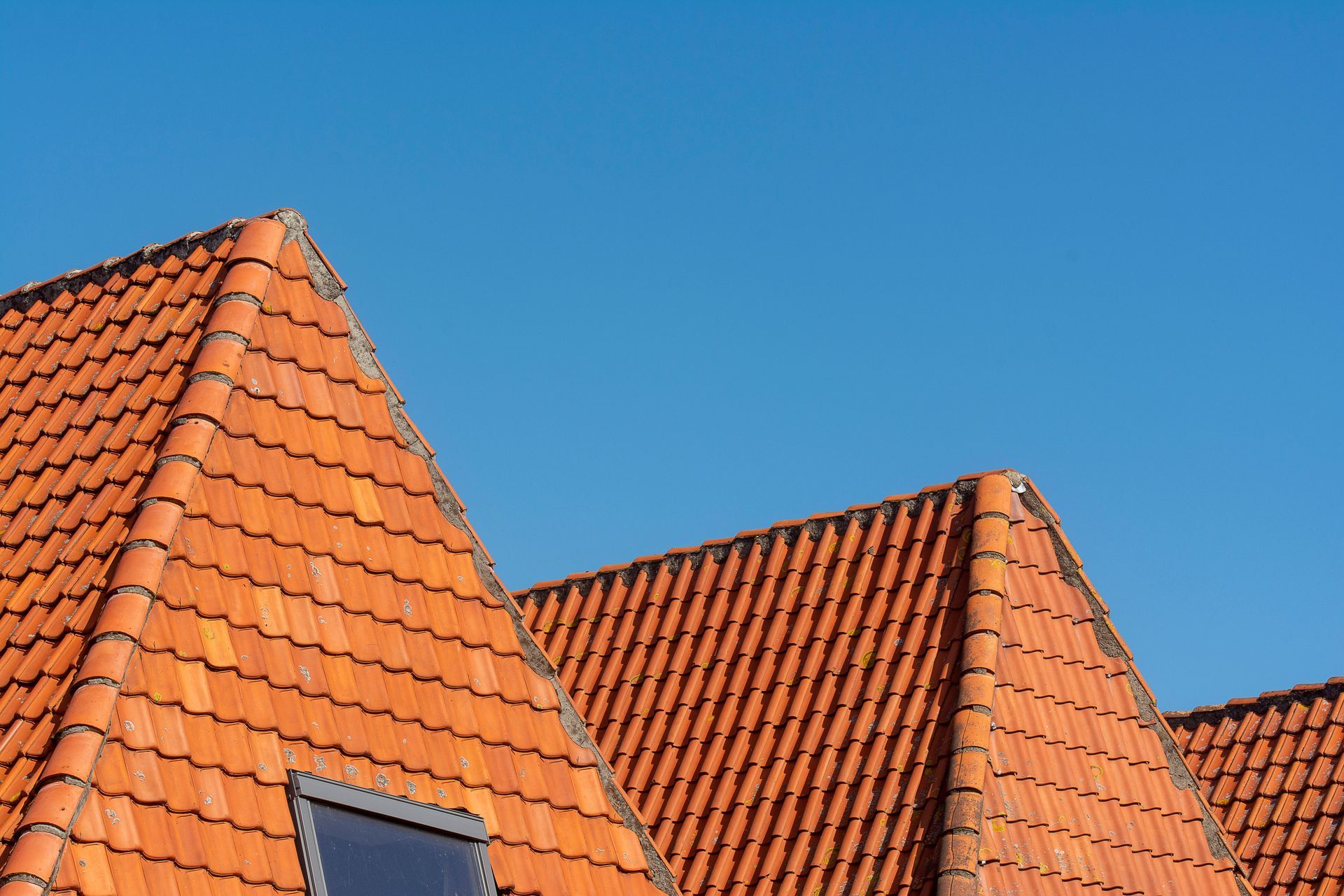
Look up at almost any roof in Truro and you will see something growing on it. Green, black, grey or orange, the patches come in all sorts, and most homeowners lump them together as simply dirt. In fact you are usually looking at three quite different organisms, and telling them apart helps you understand what your roof is dealing with.
Moss, algae and lichen each behave differently, take hold for different reasons, and affect a roof in different ways. Knowing which you have is not just an academic exercise. It helps explain why the growth appeared, what it might be doing to your slates, and why a proper soft wash is the sensible answer to all three.
The quick answer: Moss is the thick, green, spongy growth that clumps along ridges and in gaps. Algae is the flat black or green staining that streaks down the slopes. Lichen is the crusty, flat, often grey or orange patches that cling tightly to the surface. All three thrive in Truro's damp Atlantic climate, and all three are best removed with a gentle soft wash rather than harsh pressure.
1. Moss, the thick green cushions
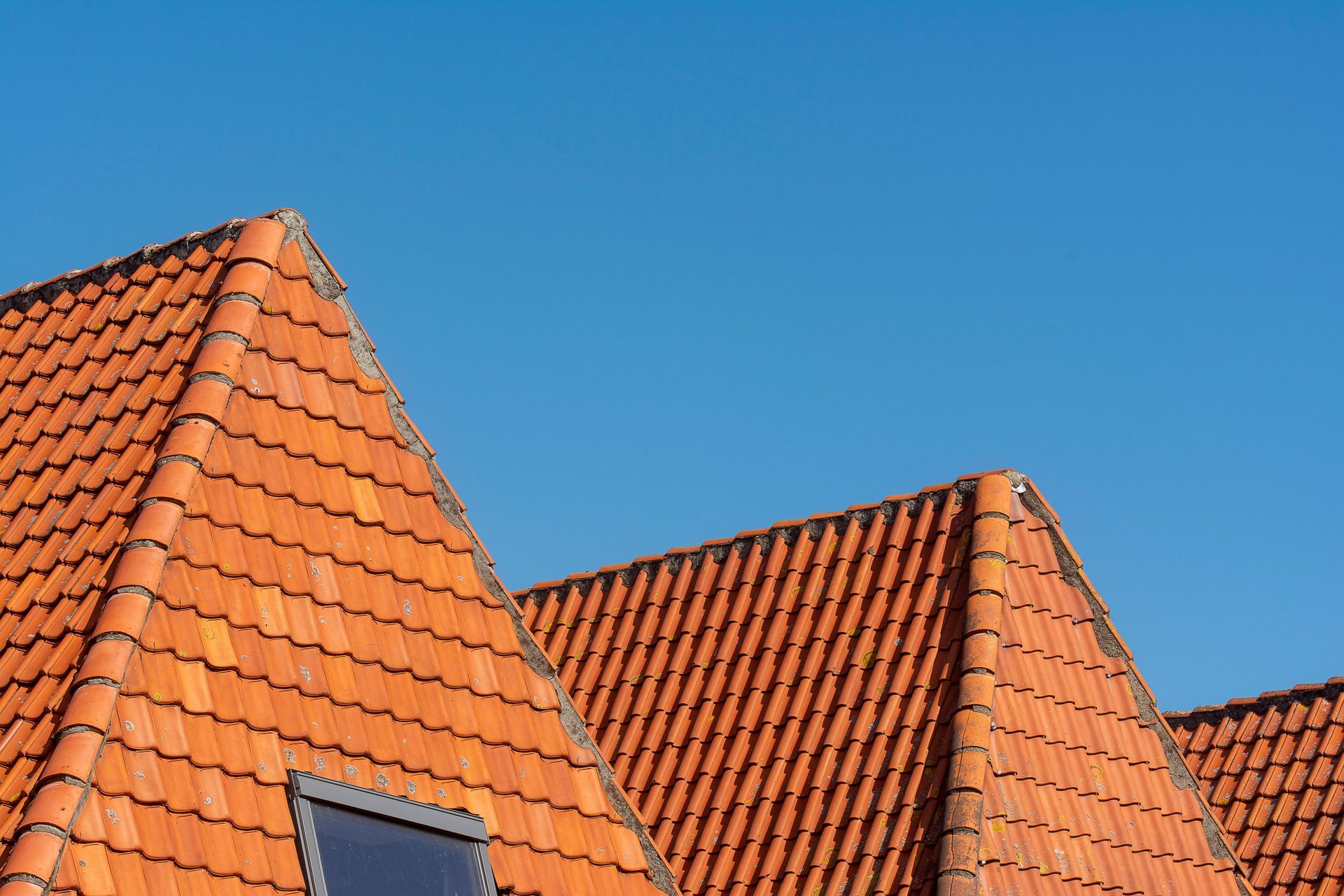
Moss is the growth most people picture when they think of a dirty roof. It forms soft, spongy green cushions, often thickest along the ridges, in the gaps between slates, and in the valleys where debris gathers. On many Truro roofs it can build into a genuine carpet several centimetres deep.
It loves damp, shaded spots, which is why the northern slopes and roofs overhung by trees suffer worst. In our climate, with damp air rolling in off the Atlantic and long mild winters, moss rarely gets the cold, dry check it would face inland. It simply keeps growing.
The trouble with moss is that it holds water like a sponge, keeping the slates damp, and it clogs gutters and valleys as clumps break away. Have you noticed lumps of green washing into your gutters after heavy rain? That is moss on the move, and it is the type of growth that does the most to trap moisture against a roof.
2. Algae, the black streaks and stains
Algae is quite different. Rather than forming lumps, it spreads as a flat film, showing up as black or dark green streaks running down the slopes. Those dark stains you see trailing from the ridge on so many roofs are almost always algae, carried down by rainwater over time.
It is extremely common in Truro because it thrives on moisture and needs very little to establish. A north-facing or shaded roof can develop algal staining within a few years. It does not have the bulk of moss, so it is less of a physical problem, but it looks unsightly and it dulls the whole appearance of a home.
Left alone, algae gradually darkens and spreads across the entire surface, which is why a roof can look grubby and grey even when there is no thick moss to be seen. It is the most common reason a roof simply looks tired.
3. Lichen, the crusty clinging patches
Lichen is the one people most often struggle to identify. It forms flat, crusty patches that cling extremely tightly to the surface, usually grey-green, white or sometimes a mustard orange. Unlike moss, it does not lift off in clumps. It bonds hard to the slate and can be stubborn to shift.
Lichen is actually a partnership between a fungus and an algae, and it is a sign of clean air as much as anything, which is why it is so common in an unpolluted place like Cornwall. It grows slowly but persistently, and it tends to favour the same exposed ridges and slopes that catch the light and the rain.
Because it grips so firmly and can root slightly into the surface of older slate, lichen needs patient treatment. This is one more reason harsh pressure washing is a bad idea, as blasting lichen off can take some of the slate surface with it.
4. Why Truro roofs grow all three so readily
Truro offers close to perfect conditions for all three organisms. The mild, wet maritime climate keeps roofs damp for much of the year, and hard, drying frosts are rare. The clean Cornish air suits lichen especially, while the constant moisture feeds moss and algae alike.
The city's setting adds to it. Homes in the shaded river valleys where the Kenwyn and the Allen run stay damp longer, and mature trees around many properties keep slopes in shade and drop debris that feeds moss. Salt in the air off the coast adds another layer to what settles on a roof.
So if your roof is host to a mix of all three, that is entirely normal here. It is not a sign you have done anything wrong, simply the reality of owning a roof in this beautiful, damp corner of the country.
5. What each type does to your roof over time
While none of these will destroy a sound roof overnight, each contributes to wear if left unchecked. Moss is the worst offender, holding damp against the slates, blocking gutters and valleys, and encouraging water to sit where it should drain away. Over years that trapped moisture speeds up wear and can worsen freeze damage on the rare cold snap.
Algae is mainly a cosmetic problem, but a roof left stained looks neglected and can drag down the look and even the value of a home. Lichen, gripping tight, is largely cosmetic too, though on old slate its rooting can very gradually pit the surface.
Together they make a roof look far older and more tired than it is. Dealing with them keeps the roof healthy and keeps your home looking cared for.
6. How a soft wash handles all three
The good news is that one method deals with all three types of growth safely. Soft washing uses low-pressure water combined with a biocide that kills moss, algae and lichen at the root, spores and all. There is no harsh blasting, so the slates and their fixings are protected.
The heavier moss is cleared, and the biocide then keeps working over the following weeks, so algae staining fades and stubborn lichen loosens and weathers away naturally. The result is a roof that keeps improving after we leave, and stays cleaner for longer because the treatment tackles the growth at source.
It is a far kinder approach than pressure washing, which might strip the growth quickly but risks the slate itself. For Cornish roofs in particular, gentle and thorough beats fast and fierce every time.
- Moss: thick green spongy cushions along ridges and in gaps, the main cause of trapped damp and blocked gutters.
- Algae: flat black or green streaks down the slopes, mostly a cosmetic problem that dulls the whole roof.
- Lichen: crusty grey, white or orange patches gripping tightly, slow-growing and stubborn to shift.
- Soft wash: low-pressure water and biocide that kills all three at the root and keeps working afterwards.
Frequently Asked Questions
Is moss or algae worse for my roof?
Moss is generally worse because it holds water against the slates and clogs gutters. Algae is mainly a cosmetic stain, though both are worth removing.
Why is lichen so hard to remove?
Lichen bonds tightly to the surface and can root slightly into older slate. It responds to biocide over time rather than coming off in one go, which is why patience beats pressure.
Does having lichen mean my air is clean?
In a sense, yes. Lichen is sensitive to pollution and thrives in the clean air we enjoy in Cornwall, so it is very common on roofs around Truro.
Will the growth come straight back after cleaning?
Not quickly. The biocide kills the spores as well as the visible growth, which slows regrowth considerably. A treatment every few years keeps it in check.
Can I just scrape or jet wash it off myself?
We would not advise it. Scraping and high-pressure washing can damage slate and force water under it, and working at height is risky. A proper soft wash is safer and lasts longer.
Not sure what is growing on your roof?
Ben's Roof Cleaning brings over 15 years of experience in safe, effective roof cleaning across Truro and the surrounding area. Get in touch or call 01872 304601
for a free, no-obligation quote.
Know what you are dealing with
Moss, algae and lichen are three different things, but they share one solution. Once you can tell them apart you understand your roof a little better, and you can see why Truro's damp, clean Atlantic air makes all three so at home here. Whichever mix you have, a careful soft wash clears the lot without harming the slate, and keeps your roof looking its best for years to come.